
Best Save The Bees Wild Flower Seeds Collection
As an amazon associate I earn from qualifying purchases.
Looking for the best wildflower seeds collection to save the bees? This selection features 100,000 non-GMO heirloom seeds with 45 varieties designed to attract essential pollinators like honeybees and butterflies. You’ll enjoy colorful blooms from early summer to fall while boosting local biodiversity. These seeds thrive in various climates, requiring minimal care once established. If you want to explore how to enhance your garden’s appeal and support pollinators effectively, keep going for more insights.
Wildflower Seeds Collection for Planting (100,000 Pack)
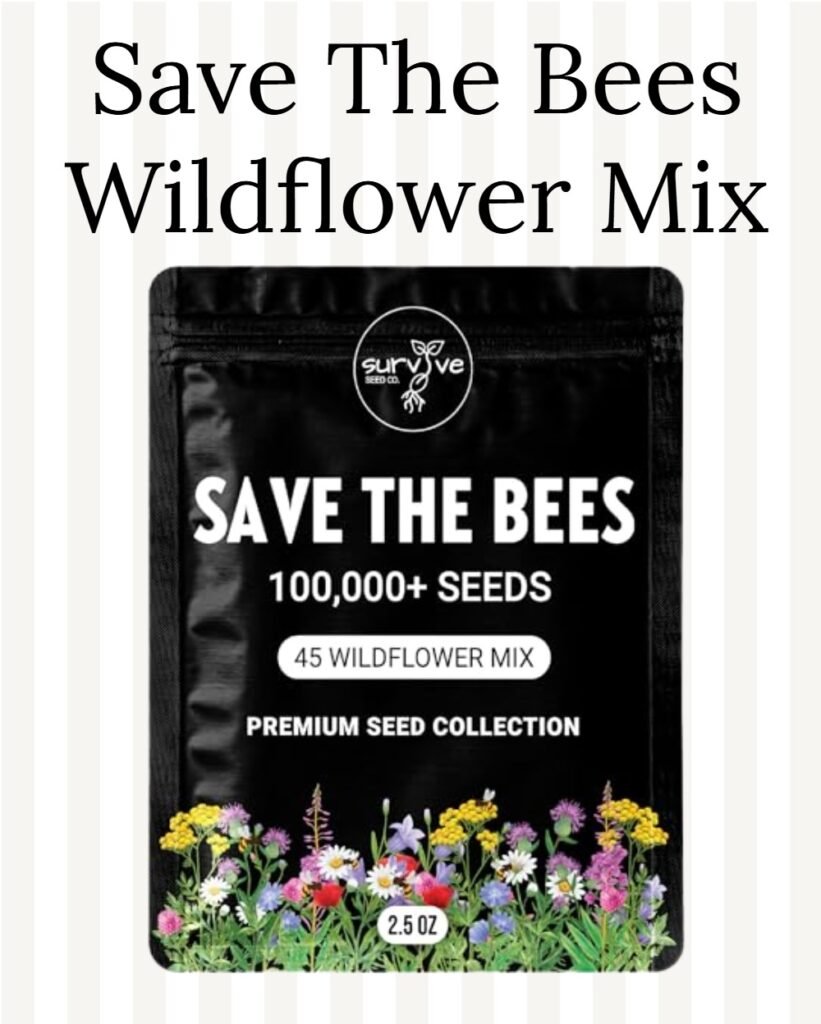
If you love gardening and want to support pollinators, the Save the Bees Wild Flower Seeds Collection is a great choice. This pack contains 100,000 seeds with 45 varieties of non-GMO heirloom flowers like milkweed, poppy, and lupine.
Planting these flowers helps attract honeybees, butterflies, and other important pollinators. They are low-maintenance and self-sow, so you don’t have to worry much about watering or weeding. These blooms will add color to your garden from early summer to fall, creating a beautiful outdoor space.
Here are some key points:
- Easy to plant and maintain.
- Attracts various pollinators, supporting a healthy ecosystem.
- Offers colorful blooms throughout the growing season.
Keep in mind:
- It may take some time for the flowers to establish and bloom.
- Needs full sun and moderate soil moisture.
- Some seeds might not germinate if conditions aren’t ideal.
This collection is a simple way to boost biodiversity and enjoy a vibrant garden.
What are the blooming timelines?
Based on the provided information, the Save the Bees Wildflower Seeds Collection offers colorful blooms from early summer to fall.
To ensure a continuous food source for pollinators, the mix is designed with the following features:
- Diverse Varieties: It includes 45 different varieties of non-GMO heirloom flowers like milkweed, poppy, and lupine.
- Continuous Food Supply: The selection includes both early and late bloomers to sustain pollinator populations throughout their active seasons.
- Growth Period: Germination typically occurs within 7 to 30 days, though it may take additional time for the plants to fully establish and begin blooming.
Factors to Consider When Choosing the Save The Bees Wild Flower Seeds Collection
When choosing a Save the Bees wild flower seeds collection, you’ll want to take into account several key factors. Think about the seed variety and how well it attracts pollinators, as well as the specific growing conditions and maintenance levels required. Additionally, knowing the seasonal blooming timeline can help you plan your garden effectively.
Seed Variety Importance
Choosing the right seed variety for your Save the Bees Wild Flower Seeds Collection is essential, as a diverse selection not only attracts a wider range of pollinators but also supports their overall health. By including multiple flower species with varying bloom times, you guarantee a continuous food supply throughout the growing season. This approach promotes a thriving ecosystem for bees, butterflies, and other beneficial insects. Incorporating both native and non-native varieties helps restore natural habitats and boosts biodiversity in urban and rural settings. Opting for pure non-GMO heirloom seeds preserves genetic diversity, enhancing resilience against environmental changes. Additionally, a mix of heights and growth habits creates varied habitats, providing shelter and nesting spaces for pollinators alongside food sources.
Pollinator Attraction Features
A diverse collection of wildflower seeds is key to attracting various pollinators, like honeybees and butterflies, each of which prefers different plants for food and habitat. Nectar-rich flowers such as cosmos and zinnias are essential, providing nourishment throughout the blooming season. Incorporating a mix of flower heights and bloom times guarantees a continuous supply of food from early summer into fall. Opting for non-GMO heirloom seeds not only promotes healthy growth but also supports local biodiversity. Additionally, planting your wildflowers in full sun with moderate soil moisture enhances their growth and flower production, making your garden a haven for pollinators. By considering these features, you can create a vibrant ecosystem that benefits both you and your local wildlife.
Growing Conditions Required
To guarantee your Save the Bees wildflower seeds thrive, it’s crucial to take into account several growing conditions. First, verify they receive at least 6 to 8 hours of direct sunlight each day for ideal growth. Wildflowers prefer well-drained soil with moderate moisture; too much water can cause root rot. While many species adapt to various soil types, sandy or loamy soils provide the best drainage. Additionally, check the USDA hardiness zones, as different wildflower species perform better in specific climates, ranging from zones 2 to 10. Finally, consider a diverse mix of seeds to accommodate varying bloom times and heights, facilitating continuous flowering and attracting a wide range of pollinators throughout the growing season.
Maintenance Level Needed
After ensuring your wildflower seeds have the right growing conditions, it’s important to evaluate the maintenance level needed for your Save the Bees collection. Fortunately, many wildflower varieties designed for pollinator attraction require low maintenance. Once established, they typically need no watering, weeding, or deadheading. Choosing collections that thrive naturally without pesticides promotes a healthier ecosystem, too. Ideal mixes often self-sow, allowing them to spread with minimal intervention. You’ll also want to select varieties well-adapted to your local conditions, as this enhances their resilience and reduces maintenance. Finally, a thoughtful mix of flower heights and bloom times can provide a vibrant display while further cutting down on upkeep. Enjoy a beautiful, low-maintenance garden!
Seasonal Blooming Timeline
Choosing a wildflower seeds collection with varied bloom times is essential for guaranteeing a continuous food source for pollinators from early summer through fall. Look for a mix that includes both early and late bloomers, as this supports local ecosystems and sustains pollinator populations year-round. Pay attention to the heights of the wildflowers; a diverse range creates an appealing display and accommodates various pollinator species. Opt for nectar-rich flowers to attract and sustain honeybees and butterflies during their active seasons. Finally, understand your USDA hardiness zone to guarantee the wildflowers thrive in your local climate. By selecting the right collection, you’ll foster a vibrant habitat for essential pollinators.
Soil and Sunlight Needs
When selecting a wildflower seeds collection, understanding soil and sunlight needs is essential for ensuring your garden thrives. Most wildflowers flourish in full sun, requiring at least 6 to 8 hours of direct sunlight each day. Additionally, soil composition matters; well-draining soil that retains some moisture is ideal for peak growth. It’s also vital to take into account pH levels, as wildflowers prefer a neutral to slightly acidic pH, around 6.0 to 7.0. Different species may tolerate various soil types, so knowing your local soil conditions can enhance seed success. Before planting, conducting a soil test can help you assess nutrient availability and make necessary amendments, setting the stage for a vibrant, bee-friendly garden.
Ecosystem Benefits Provided
As you explore the ecosystem benefits of selecting a wildflower seeds collection, you’ll quickly notice how these vibrant plants can transform your garden into a sanctuary for pollinators. By choosing a diverse range of wildflower seeds, you enhance local biodiversity, providing essential habitats and food sources for honeybees and butterflies. Nectar-rich flowers like cosmos and zinnias attract these vital pollinators, which support both ecosystem health and agriculture. Continuous blooming throughout the growing season guarantees that pollinators receive sustained nourishment, helping maintain stable populations. Additionally, wildflowers naturally improve soil health, preventing erosion and promoting a balanced ecosystem without chemicals. By cultivating wildflower gardens, you actively support local ecosystems while enhancing the aesthetic and ecological value of your environment.
Hardiness Zone Compatibility
Understanding your local USDA hardiness zone is essential for selecting the right wildflower seeds, ensuring they’ll thrive in your garden. Each zone indicates the minimum winter temperatures that plants can tolerate, guiding you to choose species that will flourish in your climate. By selecting seeds suited for your specific zone—ranging from 2 to 10—you increase the chances of successful germination and blooming. A diverse mix of wildflower seeds compatible with your zone not only enhances your garden’s biodiversity but also attracts local pollinators. Knowing your hardiness zone helps you plan the appropriate growing season and environmental needs, ensuring continuous flowering and a vibrant display throughout the year. Make this consideration a priority for the best results!
Frequently Asked Questions
How Long Do Wildflower Seeds Take to Germinate?
Wildflower seeds typically take about 7 to 30 days to germinate, depending on the species and environmental conditions. Make sure you provide them with proper light, moisture, and temperature for the best results.
Can These Seeds Be Planted in Containers?
Yes, you can definitely plant these seeds in containers! Just guarantee your containers have good drainage, use quality potting soil, and keep them moist. With proper care, you’ll enjoy beautiful blooms attracting pollinators.
Are the Seeds Organic and Non-Gmo?
Yes, the seeds are organic and non-GMO. You can feel confident planting them, knowing they’re grown without synthetic pesticides or genetically modified organisms. This choice supports healthy ecosystems and encourages local pollinator populations.
What Is the Best Time to Plant These Seeds?
The best time to plant these seeds is in spring or fall. Make sure the soil’s warm enough, preferably above 60°F. You’ll encourage excellent growth and attract those essential pollinators to your garden.
Do I Need to Water the Seeds After Planting?
Yes, you need to water the seeds after planting. Keep the soil consistently moist but not soggy. This’ll help them germinate properly. Once established, they’ll require less frequent watering as they grow.
As an amazon associate I earn from qualifying purchases.
Related posts:
 18 Quirky Garden Ideas That Are Easy to Install
 The 13 Best Lighted Christmas Garden Flags of 2025 – Festive Outdoor Décor
 Bicycle Flower Planters: 10 Top Picks for Gifts & Garden Decor
 Wooden Wagon Wheel Planter Boxes: 10 Best Picks for Rustic Garden Style
 Garden Sun Calculator Tool: Find the Best Plants for Your Light Level
 6 Different Quirky Miniature Garden Ideas That Are Easy to Install
 Best Outdoor Privacy Screens With Planters That Transform Any Yard
 Balcony / Container Veg Planner (USA)