
How to Plan Decorating Your House
As an amazon associate I earn from qualifying purchases.
Start by walking through your home, noticing which spaces make you feel welcome and which feel uncomfortable. Identify your design style—whether that’s modern, farmhouse, or bohemian—by exploring inspiration boards and showrooms. Set a realistic budget, prioritizing high-traffic rooms like your living room first. Gather ideas from design magazines and Pinterest, creating mood boards with colors and textures that resonate with you. Plan each room’s purpose and layout thoughtfully, then shop smart by comparing prices and exploring local artisans. As you arrange each piece intentionally, you’ll discover how every element works together to create your sanctuary, and there’s so much more to explore about bringing your vision to life.
Assess Your Current Space

Before you pick out a single pillow or paint color, take a moment to really *see* your home as it’s right now.
Walk through each room with fresh eyes, noticing what makes you feel welcomed and what doesn’t. Your space evaluation begins with honest observations: which areas feel cramped, and where do you naturally gather?
Walk through each room with fresh eyes, noticing what welcomes you and where you naturally gather.
Consider your layout considerations carefully—how does furniture flow, and where do you spend the most time? Pay attention to lighting, proportions, and how rooms connect.
Notice the colors already present and textures that appeal to you. This thoughtful assessment creates the foundation for decorating decisions that’ll truly reflect who you are, transforming your house into a sanctuary where you genuinely belong.
Identify Your Design Style
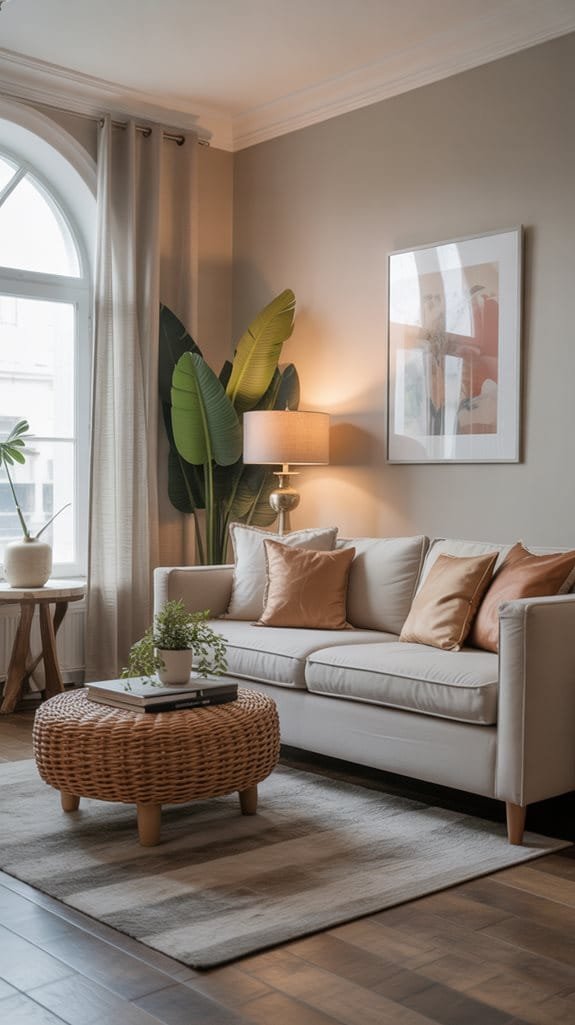
Now that you’ve examined your space with an honest eye, it’s time to discover the design style that speaks to your heart. Your personal preferences guide you toward a style that feels authentically yours. Whether you’re drawn to modern aesthetics with clean lines, cozy farmhouse charm, or eclectic bohemian vibes, your choice reflects who you are.
| Style | Key Features |
|---|---|
| Modern | Minimalist, geometric, neutral tones |
| Farmhouse | Rustic wood, vintage accents, warm textures |
| Bohemian | Layered patterns, vibrant colors, global finds |
| Scandinavian | Light woods, simplicity, functional beauty |
Explore inspiration boards, visit showrooms, and notice what draws you in. Pay attention to colors, textures, and overall feelings these spaces evoke. You’re building a home that welcomes you daily, reflecting your unique story and creating the sanctuary you deserve.
Set a Realistic Budget
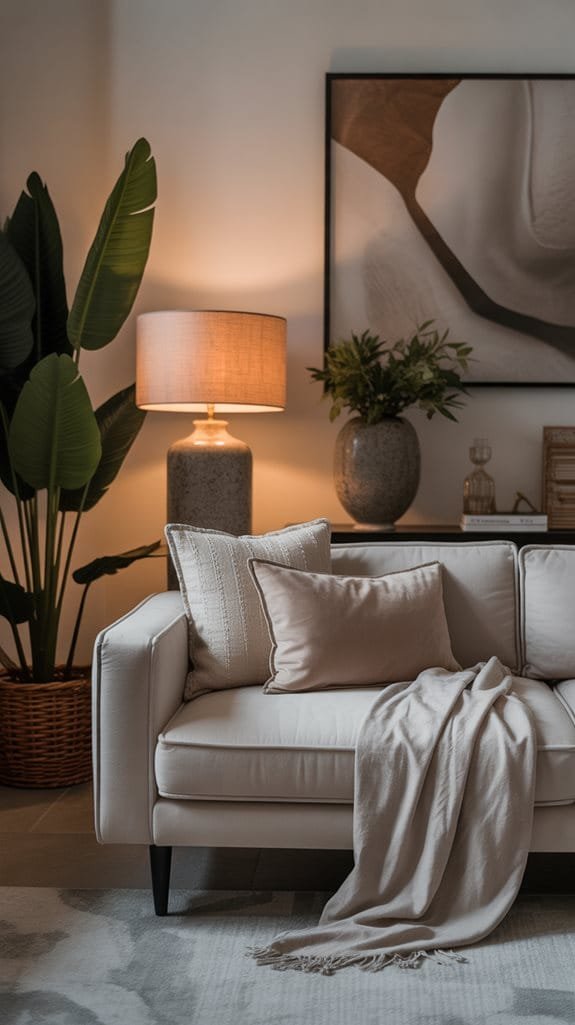
Once you’ve discovered your design style, you’ll want to calculate your total available funds so you can plan each room thoughtfully without stretching yourself thin.
By prioritizing which rooms matter most to you and deserve more investment, you’re creating a map that transforms your vision into achievable reality.
Don’t forget to account for hidden costs like delivery fees, installation, and those unexpected supplies that always seem to pop up—building this cushion into your budget means you’ll stay confident and stress-free throughout your decorating journey.
Calculate Total Available Funds
The foundation of any successful decorating project rests on understanding exactly how much you can spend, and this honest assessment’ll transform your vision from wishful thinking into an achievable plan.
Start by gathering your financial information: savings, available credit, and monthly budget surplus. Write down every number to create clarity around your fund allocation. This exercise isn’t about limitation; it’s about empowerment and belonging to a community of thoughtful planners.
Next, implement expense tracking by listing potential costs: paint, furniture, accessories, and labor. Be thorough and realistic.
Consider whether you’re tackling one room or your entire home. This detailed foundation guarantees you’re making choices aligned with your actual resources, not borrowed dreams. You’re building confidence alongside your beautiful space.
Prioritize Room-by-Room Spending
After you’ve calculated your total funds, breaking them into room-by-room budgets transforms an overwhelming project into manageable pieces.
Start by identifying your room priorities—which spaces matter most to you and your family? Your living areas deserve thoughtful investment since you’ll spend considerable time there, creating the heart of your home.
Develop a spending strategy that reflects your lifestyle. Perhaps you’ll allocate more toward your bedroom, crafting a personal sanctuary, while keeping entryways simpler.
Consider which rooms guests see, then balance those with private spaces that comfort you daily.
This approach isn’t restrictive; it’s liberating. You’re joining countless homeowners who’ve discovered that deliberate planning creates beautiful, cohesive spaces.
Your tailored spending strategy guarantees every dollar serves your vision, transforming your house into a welcoming haven that truly reflects who you are.
Account for Hidden Costs
While you’re mapping out your room-by-room spending, you’ll want to uncover the sneaky expenses that often catch homeowners off guard.
Hidden expenses like delivery fees, installation costs, and taxes can quickly inflate your budget beyond what you’ve planned. Many decorators forget about unexpected fees for assembly, mounting hardware, or professional labor.
Consider adding a contingency fund—typically ten to fifteen percent of your total budget—to cushion these surprises. Factor in paint preparation, furniture padding, and tool rentals that transform your vision into reality.
You’re joining countless homeowners who’ve learned this lesson; planning ahead creates peace of mind. By accounting for these often-overlooked costs now, you’ll decorate with confidence, knowing you’ve built a realistic budget that honors both your dreams and your wallet.
Gather Inspiration and Ideas

Where do you want your home to feel like when you walk through the door?
Start gathering inspiration by exploring design magazines, creative blogs, and home tours that resonate with you. Create Pinterest boards organized by room, collecting images that spark joy.
Build mood boards using color palettes, fabric swatches, and clippings that tell your story. Browse online inspiration sources, discovering seasonal trends and DIY projects that match your vision.
Visit personal galleries of spaces you admire, noting what elements draw you in. Don’t rush this phase—let your ideas simmer and evolve.
Notice recurring themes in your selections; they’ll reveal your authentic style. This groundwork transforms decorating from overwhelming to purposeful, helping you create a home where you truly belong.
Prioritize Which Rooms to Decorate First
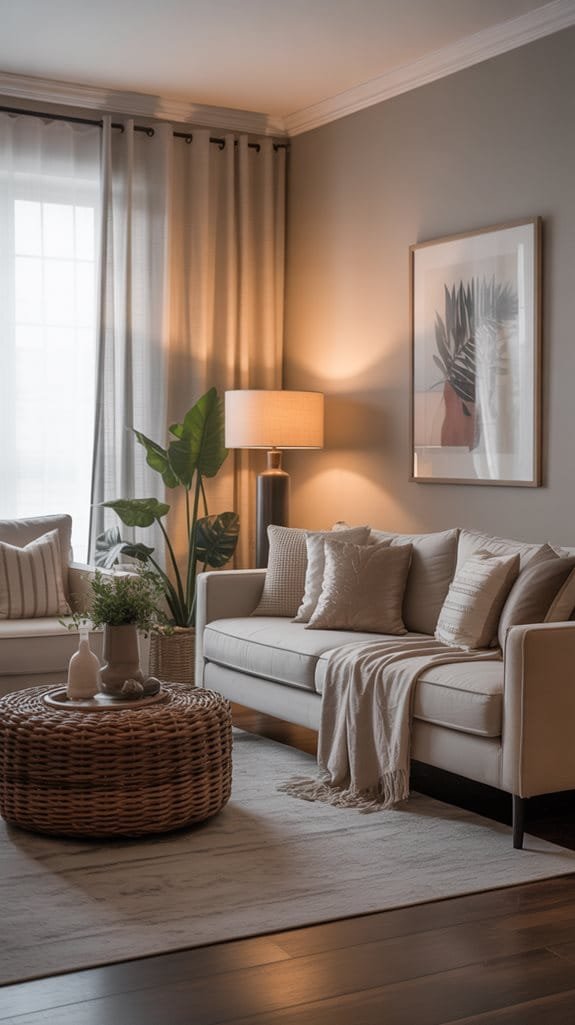
When you’re ready to transform your home, you’ll want to tackle high-traffic areas first—like your living room or kitchen—where you and your guests spend the most time and where fresh décor makes the biggest impact.
By choosing budget-friendly rooms to refresh initially, you’ll stretch your decorating dollars further while building momentum and confidence for more elaborate projects ahead.
Starting strategically this way lets you create a cohesive, welcoming home that reflects your style without overwhelming yourself or your wallet.
High-Traffic Areas First
Because you’ll spend most of your time moving through certain rooms—your kitchen, living room, entryway, and hallways—these spaces deserve your decorating attention first.
These high traffic zones shape how you experience your home daily, influencing your mood and comfort level.
When you focus on these areas, you’re investing in spaces that matter most.
Choose durable materials for these rooms since they’ll withstand frequent use and wear.
Think about paint finishes that resist scuffs, fabrics that endure, and flooring that handles foot traffic gracefully.
Budget-Friendly Room Selection
While high-traffic areas set the foundation for your daily comfort, smart budget choices help you create a beautiful home without overspending.
You’ll want to prioritize rooms where you spend the most time, like your bedroom or living room, ensuring these spaces reflect your personality and style.
Start by selecting one room that’ll bring you joy and inspire relaxation.
Consider your color schemes carefully—neutral tones stretch your budget further while creating a cohesive feel throughout your home.
For furniture selection, invest in quality pieces for your main gathering spaces, then gradually add accents to other rooms.
This strategic approach means you’re building a home that truly feels like yours, piece by meaningful piece, without financial strain.
Create a Detailed Plan for Each Room
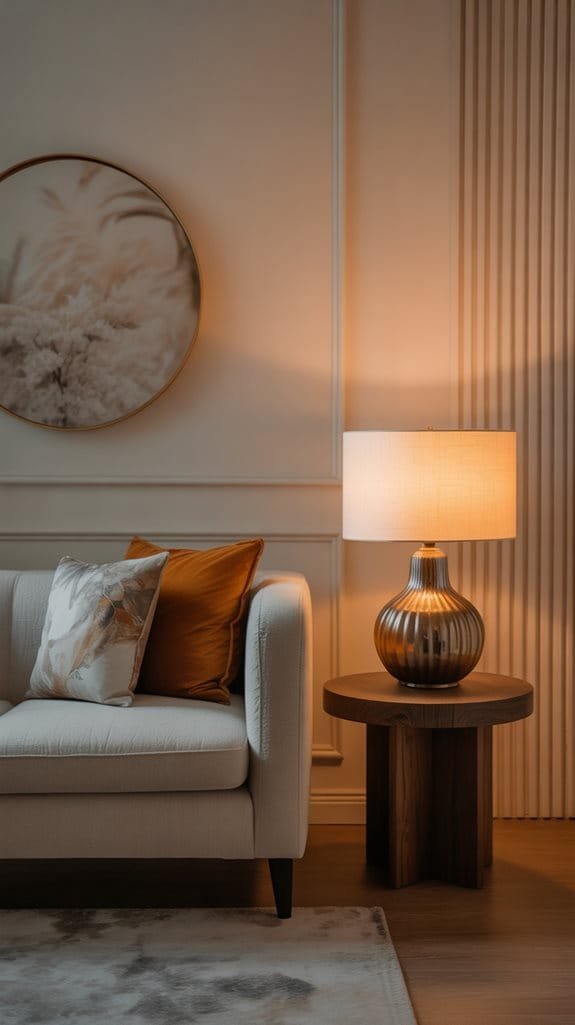
Three key elements—purpose, palette, and personality—form the foundation of a successful room design. Start by identifying what you’ll use each room for, then let that guide your decisions.
Next, choose your color schemes carefully. Colors set the mood and create the atmosphere you’re seeking. Consider what makes you feel calm, energized, or inspired, then select shades that reflect those feelings.
Colors set the mood and create atmosphere. Choose shades that reflect what makes you feel calm, energized, or inspired.
Your furniture layout matters tremendously. Arrange pieces to maximize comfort and flow, ensuring you can move naturally through the space. Don’t overcrowd; instead, select furniture that serves your purpose while complementing your color choices.
Finally, infuse your personality throughout. Your home should celebrate who you’re and welcome others warmly.
When purpose, palette, and personality work together, you’ll create rooms that truly feel like yours—spaces where you and your loved ones belong.
Shop Smart and Source Materials
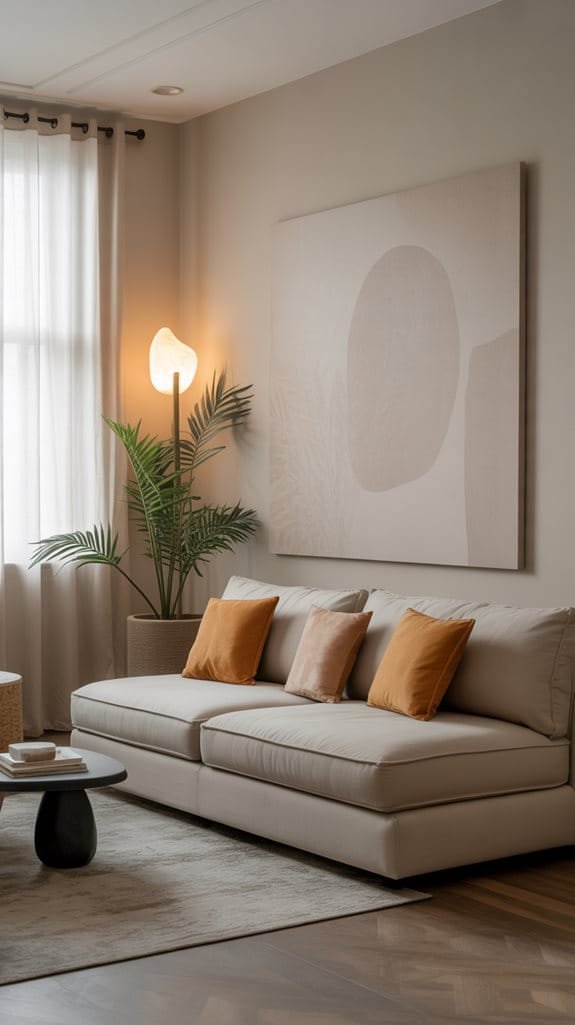
Now that you’ve mapped out your vision for each room, it’s time to hunt for the pieces that’ll bring your design to life. Shopping smart means finding materials that align with your style and values while respecting your budget.
Consider these sourcing strategies:
- Explore local artisans and small shops for unique, handcrafted pieces that tell stories.
- Research sustainable sourcing options that support ethical production practices.
- Visit thrift stores and vintage markets for one-of-a-kind treasures with character.
- Compare prices across multiple retailers before making purchases.
Building your home becomes a meaningful journey when you’re intentional about where items come from.
You’re not just decorating; you’re creating a sanctuary that reflects who you are. This thoughtful approach transforms your space into something truly personal and welcoming.
Execute Your Vision With Confidence

You’ve done the hard work of planning and sourcing, and now comes the most rewarding part—bringing everything together.
Trust yourself as you arrange your space. Reference your vision boards, letting them guide each decision without second-guessing. Confidence building happens when you commit to your choices and arrange items thoughtfully.
Start with larger pieces, then layer in smaller accents that reflect your personality. You’re creating a sanctuary that welcomes you home every single day.
Start with larger pieces, then layer in smaller accents that reflect your personality—you’re creating a sanctuary that welcomes you home.
Step back frequently to see how elements work together, making adjustments as needed. Don’t rush this process; savor placing each piece exactly where it belongs.
Your decorating vision isn’t just about aesthetics—it’s about crafting a space where you truly belong, surrounded by beauty you’ve intentionally chosen.

Frequently Asked Questions
How Do I Handle Decorating When Renting and Can’t Make Permanent Changes?
You can transform your rental into a cozy haven using temporary solutions that respect your lease.
Try removable wallpaper, adhesive wall decals, and fabric tapestries that create visual impact without damage.
Lean mirrors and artwork against walls, arrange throw pillows strategically, and use area rugs to define spaces.
These creative alternatives let you express your style while maintaining your security deposit and building the welcoming sanctuary you deserve.
What Should I Do if I Make a Decorating Mistake During Implementation?
As the saying goes, “measure twice, cut once,” yet decorating rarely follows a straight path.
When you stumble, embrace mistake correction as a natural design phase. You’re building your sanctuary, and design adjustments strengthen your vision.
Shift that misplaced accent wall, relocate furniture, or swap colors—these shifts transform missteps into discoveries.
Your home reflects your authentic self, and you’re learning what truly belongs in your welcoming space.
How Can I Incorporate Sentimental Items Into My Modern Design Style?
You’ll create meaningful sentimental displays by choosing a few cherished pieces that anchor your modern aesthetic.
Mix vintage photos in sleek frames, display inherited treasures on minimalist shelves, or showcase heirloom items against clean backdrops.
This modern balance honors your past while maintaining contemporary style.
You’re building a space that feels authentically yours—one where memories and design elegance coexist beautifully, inviting warmth into your home.
What’s the Best Way to Transition Between Different Design Styles in Open Layouts?
You’ll create seamless shifts by anchoring each zone with a cohesive color palette that flows throughout your space.
Strategic furniture placement acts as a bridge between styles—position pieces to gently guide the eye from one area to another.
Use complementary accent colors, shared materials, or consistent lighting to unite distinct design aesthetics.
You’re building a home where every room feels like it belongs together, inviting visitors to experience your unified vision.
How Do I Update My Décor Seasonally Without Exceeding My Budget?
You don’t need to break the bank to refresh your home’s look. Start by planning seasonal swaps months ahead, hunting thrift stores and online marketplaces for budget decor treasures.
Rotate existing pieces creatively—swap throw pillows, rearrange artwork, and refresh centerpieces using nature’s offerings.
Swap decorations with friends, sharing seasonal collections. These thoughtful touches transform your space affordably, helping you belong to a community of resourceful decorators celebrating each season together beautifully.
As an amazon associate I earn from qualifying purchases.
Related posts:
 15 Fresh Spring Living Room Ideas You’ll Love
 25 Stunning Yellow Living Room Ideas That Will Brighten Up Your Spring!
 Cozy Christmas Living Room Ideas
 8 Living Room Wall Decor Ideas
 Modern Farmhouse Fall Decor That Feels Effortless
 25 Yellow Living Room Ideas
 11 Beige and Gold Bedroom Ideas
 Neutral Fall Decor, Soft, Simple, and So Stylish